Tiger

Definition and stakes

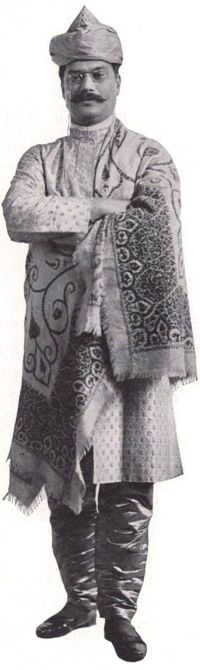
Sir Hugh Charles Clifford,  In Court and Kampong

“ All who have listened to the tiger in his forest freedom know that he has many voices wherewith to speak. He can give a barking cry, which is not unlike that of a deer; he can grunt like a startled boar, and squeak like the monkeys cowering at his approach in the branches overhead; he can shake the earth with a vibrating, resonant purr, like the sound of faint thunder in the foot-hills; he can mew and snarl like an angry wildcat; and he can roar like a lusty lion cub. But it is when he lifts up his voice in the long-drawn moan that the jungle chiefly fears him. ”
Source: Gutenberg

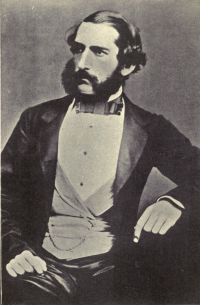
Portrait of Fitzwilliam Thomas Pollok Fitzwilliam Thomas Pollok,  The Zoologist (1898)

“ That a Tiger is stealthy and quiet in his movements we all know; that velvet paw of his, so soft and yet so formidable, enables him to tread the woods and forest so noiselessly that the sharp-eared Deer may often be taken by surprise, and fall a victim to its blow; and but for the tell-tale scent emanating from his striped hide, numbers would be destroyed. ”
Source: Wikisource

Portrait of D. H. Lawrence D. H. Lawrence,  Twilight in Italy

“ It is the spirit of the tiger. The tiger is the supreme manifestation of the senses made absolute. This is the
Tiger, tiger burning bright, In the forests of the night
of Blake. It does indeed burn within the darkness. But the essential fate, of the tiger is cold and white, a white ecstasy. It is seen in the white eyes of the blazing cat. This is the supremacy of the flesh, which devours all, and becomes transfigured into a magnificent brindled flame, a burning bush indeed.
”
Source: Gutenberg

Get perspective with Kwize: daily news enlightened by great literature