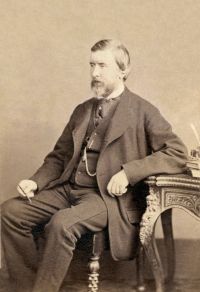
Daylight, the natural illumination of the Earth's surface during the day, has long served as a motif for transition, clarity, and the interplay between the tangible and the ephemeral. From Adelaide Anne Procter’s melancholic farewell to fading light in Legends and Lyrics to Robert Hunt’s scientific meditation on sunlight’s diffusion in The Poetry of Science, authors have explored its dual role as both a physical phenomenon and a symbolic force.
Banjo Paterson evokes its quiet demise in The Daylight is Dying, while Jean-Henri Fabre frames it as a precursor to dawn, alive with natural activity. Whether as a catalyst for reflection, a subject of scientific wonder, or a backdrop to human endeavor, daylight emerges in these works as a lens through which the boundaries of time, nature, and perception are continually redefined.
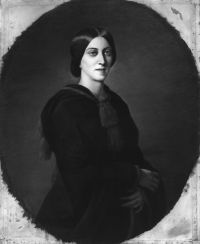 Adelaide Anne Procter,
Legends and Lyrics. Part 2
Adelaide Anne Procter,
Legends and Lyrics. Part 2