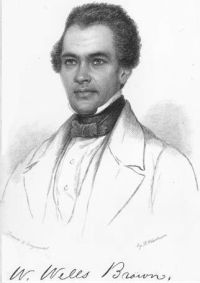
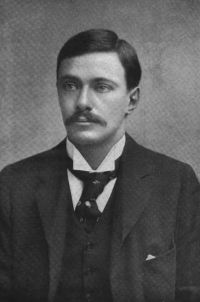
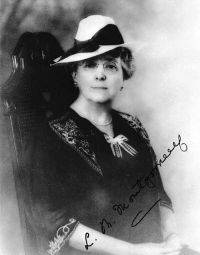
Cheapside, a historic thoroughfare in London, has long symbolized commercial energy and a social crossroads. From Mark Twain’s vivid depiction of its boisterous celebrations to William Wells Brown’s observation of its lively activity, the area emerges as a hub of trade and human interaction.
Writers like Dougal Graham and Walter Besant examine its economic forces, contrasting the goldsmiths’ strategic spread with the entrepreneurial challenges faced by figures like John Cheap. Meanwhile, Anton Chekhov and Henry James subtly incorporate its atmosphere into stories about wealth and identity. These varied portrayals highlight Cheapside’s enduring duality as both a marketplace and a reflection of societal ambitions.
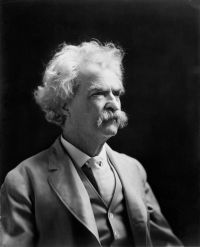 Mark Twain,
The Prince and the Pauper
(1882, c1881)
Mark Twain,
The Prince and the Pauper
(1882, c1881)