Jane, a unisex given name of Hebrew origin, has long been a staple in literature, embodying diverse roles from spirited heroines to enigmatic figures. Authors such as Charlotte Brontë, Victor Hugo, and Florence L. Barclay have explored its versatility, portraying Jane as a resilient prophetess, a conflicted lover, or a symbol of quiet strength.
Whether in the dramatic exchanges of Hugo’s characters or the steadfast presence of Longfellow’s disabled Jane, the name transcends mere identity, reflecting societal roles and personal struggles. Its enduring appeal lies in its adaptability, allowing writers to craft characters that resonate across time and context.
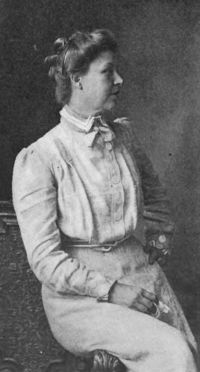 Katharine Pyle,
Careless Jane and Other Tales
Katharine Pyle,
Careless Jane and Other Tales