Jane Eyre

Definition and stakes

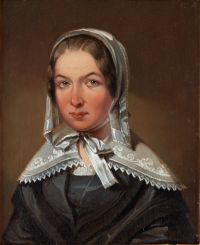
Portrait of Charlotte Brontë Charlotte Brontë,  Jane Eyre: An Autobiography

“ And yet where was the Jane Eyre of yesterday?—where was her life?—where were her prospects?
Jane Eyre, who had been an ardent, expectant woman—almost a bride, was a cold, solitary girl again: her life was pale; her prospects were desolate. A Christmas frost had come at midsummer; a white December storm had whirled over June; ice glazed the ripe apples, drifts crushed the blowing roses; on hayfield and cornfield lay a frozen shroud: lanes which last night blushed full of flowers, to-day were pathless with untrodden snow
”
Source: Gutenberg

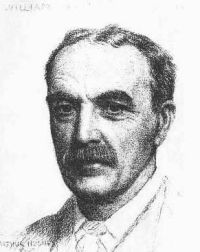
Portrait of May Sinclair May Sinclair,  The Three Brontës

“ Curates apart, two-thirds of Shirley are written with an unerring devotion to the real, to the very actual. They have not, for all that, the profound reality of Jane Eyre. The events are confused, somehow; the atmosphere is confusing; the northern background is drawn with a certain hardness and apathy of touch; the large outlines are obscured, delicate colours sharpened; it is hard and yet blurred, like a bad steel engraving. Charlotte's senses, so intensely, so supernaturally alive in Jane Eyre, are only passably awake in Shirley. ”
Source: Gutenberg

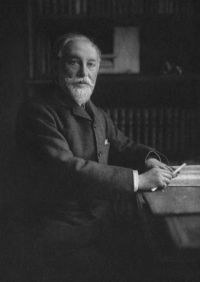
Portrait of Frederic Harrison Frederic Harrison,  Studies in Early Victorian Literature

“ But Jane Eyre's ignorances and simplicities, the improbabilities of her men, the violence of the plot, the weird romance about her own life, are all made acceptable to us by being shown to us only through the secret visions of a passionate and romantic girl. As the autobiography of a brave and original woman, who bares to us her whole heart without reserve and without fear, Jane Eyre stands forth as a great book of the nineteenth century. ”
Source: Gutenberg

Get perspective with Kwize: daily news enlightened by great literature