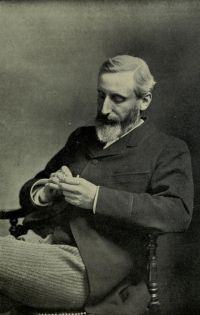
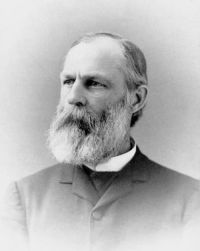
A governess is a woman employed to educate children in a private household, primarily concentrating on academic and social training rather than domestic tasks. Historically common in wealthy European families, this position often placed governesses in a social limbo, neither fully integrated into the family nor belonging to the servant class. Authors such as Charles James Lever and William Makepeace Thackeray emphasized her uncertain status, portraying her as a figure caught between respectability and subordination.
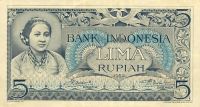
Elizabeth Raikes focused on efforts to elevate her role, while Raden Adjeng Kartini highlighted her potential to influence children’s futures. Literary depictions, from Charlotte Brontë’s Jane Eyre to Henry James’s The Turn of the Screw, illustrate both the governess’s intellectual contributions and her marginalized position, revealing her as a complex symbol of ambition, isolation, and societal restriction.
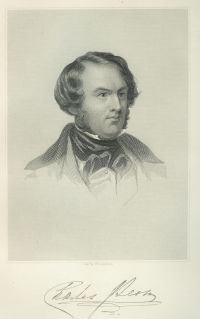 Charles James Lever,
Davenport Dunn, a Man of Our Day…
Charles James Lever,
Davenport Dunn, a Man of Our Day…