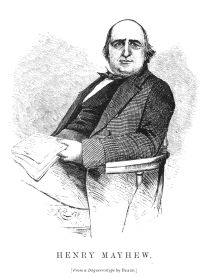
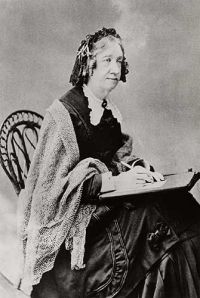
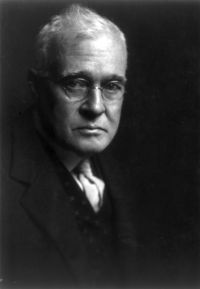
Teetotalism, the complete avoidance of alcohol, has been explored through various perspectives by writers across centuries. Authors such as John Fiske viewed it as a dietary philosophy similar to vegetarianism, while Henry Mayhew emphasized its practical implementation among working-class families.
Others, like Frank Frankfort Moore, pointed out the contradiction of individuals engaging in excessive drinking before committing to abstinence, and John Bickerdyke highlighted the difficulty of sustaining sobriety in the face of relapses. These viewpoints reveal teetotalism as both an individual practice and a social trend, reflecting conflicts between health, ethics, and cultural values. The evidence collectively demonstrates its lasting significance as a debated yet impactful behavior.
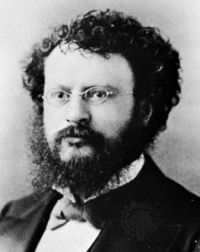 John Fiske,
Tobacco and Alcohol
John Fiske,
Tobacco and Alcohol