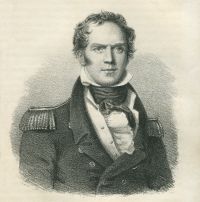
Tripoli, the capital of Libya, is a city of layered histories, from its Phoenician origins to its role as a Mediterranean crossroads. Authors like Hugh Clapperton and James Richardson portray its vibrant markets and diverse population, while Muḥammad ibn ʻUmar Tūnisī provides a merchant’s perspective on its modest size and commerce.
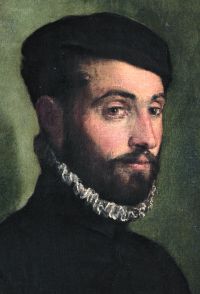
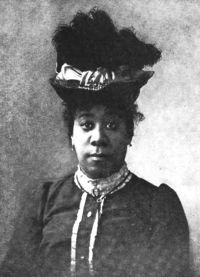
Torquato Tasso mentions it in epic verse, and Pauline E. Hopkins contrasts its Ottoman-era stagnation with its lasting cultural significance. These accounts collectively highlight Tripoli’s identity as a hub of antiquity, conflict, and human interaction, where historical depth meets the vitality of its people.
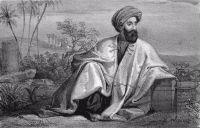
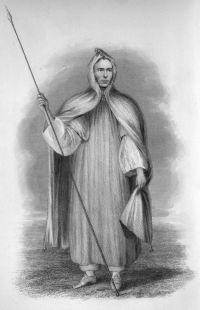 James Richardson,
Narrative of a Mission to Central Africa Performed in the Years 1850-51…
James Richardson,
Narrative of a Mission to Central Africa Performed in the Years 1850-51…