Tunis

Definition and stakes

M. F. Mansfield,  In the Land of Mosques & Minarets

“ Within the charmed circle of the outer boulevards Tunis’ Arab town has an appearance as archaic as one may expect to find in these progressive{368} days. Veiled women are everywhere, and turbaned; high-coiffed, fat, wobbly Jewesses, and Sicilians and Maltese with poignards in their belts. It’s a mixed crew indeed that makes up the life and movement of Tunis. This impression is heightened still further when you see the Bey drive by in state in a dingy carriage drawn by six black, silver-harnessed mules, the outriders yelling, “Arri! Arri! Arri!” like the donkey-boys of the more plebeian world. ”
Source: Gutenberg

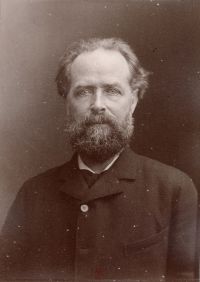
Portrait of George Edward Woodberry George Edward Woodberry,  North Africa and the desert (1914)

“ Tunis, in fact, is not altogether native, not of the pure desert blood; from the thirteenth century well into the times of the Renaissance it had a flavor not unlike that of a Greek colony in Sicily or on old Italian coasts; it was grafted with the flower of Andalusian culture, transplanted in adversity and flourishing on the African soil—blooming, perishing, and leaving this exquisite memory of itself, this intuition of vanished refinement and elegance, like a perfume. ”
Source: Gutenberg

T. Wemyss Reid,  The land of the Bey (1882)

“ To my right, beyond the palm-trees in the little garden, rose the fine Moorish gateway [225] which gives admission to the square of the Consulate. To-day, as on all days, it appeared the centre of the life of Tunis. A hundred vendors of cakes, sweetmeats, fruits, matches, trinkets, were pushing hither and thither, waving their feather brushes to drive away the clouds of flies, and filling the air with a clamour which reminded one of Whitechapel on a Saturday evening. ”
Source: Gutenberg

Get perspective with Kwize: daily news enlightened by great literature