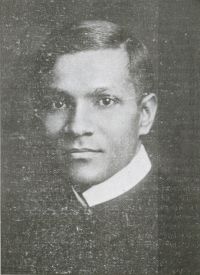
Modernism, an early 20th-century cultural movement, redefined art, literature, and philosophy through experimentation, abstraction, and an emphasis on personal experience. It rejected conventional standards, embracing disintegration and originality in response to industrialization and societal transformation. Authors such as Rabindranath Tagore criticized modernism’s shallowness, while Sarvepalli Radhakrishnan regarded material symbols as empty.
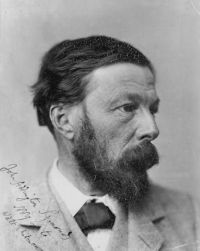
John Ruskin underscored the difficulty of harmonizing modernity with historical awareness, and others stressed the independence of art from social advancement. Modernism’s legacy resides in its persistent interrogation of conventional structures, striving to discover novel means of expressing the intricacies of a divided world.
 Rabindranath Tagore,
Japan: a lecture
(1916)
Rabindranath Tagore,
Japan: a lecture
(1916)