Cyrenaica

Definition and stakes

Karl Baedeker,  The Mediterranean (1911)

“ This was the capital of the Cyrenaica, founded near the fountain of Cyra about 620 B.C., but already spoken of in the 4th cent. A.D. as ‘urbs deserta’. The ruins have not yet been scientifically explored, but there are traces of streets, and, beneath a mantle of dense vegetation, scanty remains of the acropolis, the temples, and a Roman circus. Near them is a convent of the Senussîyeh, to which unbelievers are not admitted. ”

Source: Gutenberg

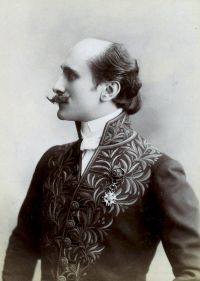
Portrait of David George Hogarth David George Hogarth,  1911 Encyclopædia Britannica, Volume 7… (1911)

“ After all N. Africa had passed to Rome, and Cyrenaica itself, bequeathed by Apion, the last Ptolemaic sovereign, was become (in combination with Crete) a Roman province (after 96 B.C.) , this competition told more severely than ever, and the Greek colonists, grown weaker, found themselves less able to hold their own against the Libyan population. A great revolt of the Jewish settlers in the time of Trajan settled the fate of Cyrene and Barca ”
Source: Wikisource

Strabo,  The Geography of Strabo, Volume 3…

“ In the neighbourhood of Cyrene are Apollonia, Barca, Taucheira, Berenice, and other small towns close by.
22. Bordering upon Cyrenaïca is the district which produces silphium, and the juice called Cyrenaic, which the silphium discharges from incisions made in it. The plant was once [Pg 293] nearly lost, in consequence of a spiteful incursion of barbarians, who attempted to destroy all the roots. The inhabitants of this district are nomades.
”
Source: Gutenberg

Get perspective with Kwize: daily news enlightened by great literature