Trajan

Definition and stakes

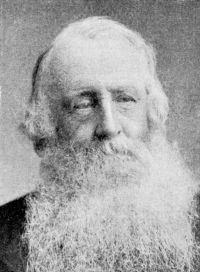
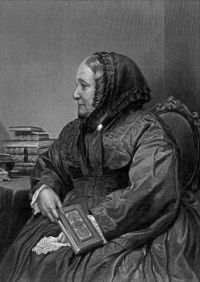
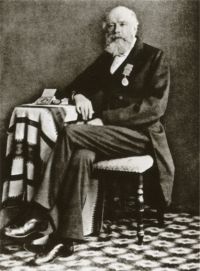
Portrait of J. W. Mackail J. W. Mackail,  Latin Literature

“ Even his praises of the government of Trajan are half-hearted and incredulous; "the rare happiness of a time when men may think what they will, and say what they think," is to his mind a mere interlude, a brief lightening of the darkness before it once more descends on a world where the ambiguous power of fate or chance is the only permanent ruler, and where the gods intervene, not to protect, but only to avenge. ”
Source: Gutenberg

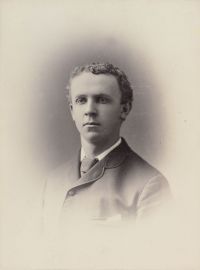
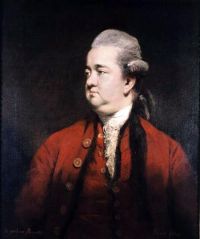
Portrait of Alfred John Church Alfred John Church,  Helmet and Spear

“ It was to Dacia then that Trajan turned his thoughts when he found himself seated on the imperial throne. Trajan had many reasons for undertaking the enterprise. It was much to his taste. He was a soldier, who had already distinguished himself in the field. And he had to justify his elevation to the throne. The Empire really rested on the swords of the [Pg 339] soldiers, and no man who could not count on the respect of the army could feel himself safe. ”
Source: Gutenberg

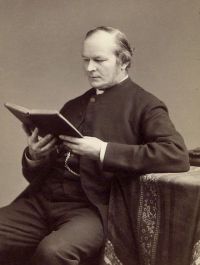
H. D. M. Spence-Jones,  The Early Christians in Rome (1911)

“ In many respects this Trajan was the greatest of the despotic masters who in succession ruled the Roman world. At once a renowned soldier and a far-seeing statesman, his complex personality is admirably and tersely summed up by Allard (Histoire des Persécutions, i. 145) , who writes of him: “On eût cru voir le sénat romain lui-même prenant une âme guerrière et montant sur le trône.”
As a rule, writers of sacred history treat the memory of Trajan with great gentleness. The Christian writers in the second half of the second century shrink from seeing in him a persecutor of the Church.
”
Source: Gutenberg

Get perspective with Kwize: daily news enlightened by great literature