Antoninus

Definition and stakes

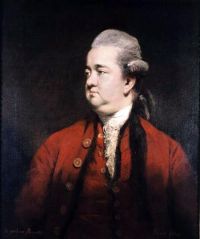
Portrait of Edward Gibbon Edward Gibbon,  History of the Decline and Fall of the Roman Empire…

“ Antoninus diffused order and tranquillity over the greatest part of the earth. His reign is marked by the rare advantage of furnishing very few materials for history; which is, indeed, little more than the register of the crimes, follies, and misfortunes of mankind. In private life, he was an amiable, as well as a good man. The native simplicity of his virtue was a stranger to vanity or affectation. He enjoyed with moderation the conveniences of his fortune, and the innocent pleasures of society; and the benevolence of his soul displayed itself in a cheerful serenity of temper. ”
Source: Gutenberg

Marcus Cornelius Fronto,  The Correspondence of Marcus Cornelius Fronto… (1920)

“ At the very moment, when I was turning this over in my mind, following yours came the speech of Antoninus—Good heavens, how many admirable things, how many true! Every saying, every word quite fascinating, steeped in loyal affection and trust and love and longing. What then? which of both my two friends, the petitioner or the petitioned, should I praise the more? Antoninus with all his imperial power was complaisant, but you, Lucius, with all your complaisance, were for very love imperious. ”
Source: Wikisource

Emperor of Rome Marcus Aurelius,  Thoughts of Marcus Aurelius

“ Antoninus did not view God and the material universe as the same, any more than he viewed the body and soul of man as one. Antoninus has no speculations on the absolute nature of the Deity. It was not his fashion to waste his time on what man cannot understand. He was satisfied that God exists, that he governs all things, that man can only have an imperfect knowledge of his nature, and he must attain this imperfect knowledge by reverencing the divinity which is within him, and keeping it pure. ”
Source: Gutenberg

Get perspective with Kwize: daily news enlightened by great literature