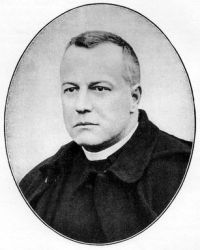
The Council of Chalcedon, a crucial 5th-century ecumenical council, tackled Christological disagreements, clarifying the essence of Christ’s divinity and humanity. Scholars such as Philip Schaff analyzed its historical and theological disputes, focusing on controversies regarding canonical validity and doctrinal understandings, while Sir Clements R.
Markham questioned its assertion of Christ’s dual nature as heretical. Adrian Fortescue situated its rulings within the wider Orthodox tradition, underscoring divisions between East and West. These viewpoints highlight Chalcedon as a focal point of doctrinal contention and ecclesiastical influence, shaping Christian theology through lasting debates over orthodoxy and authority.
 Philip Schaff,
Nicene and Post-Nicene Fathers…
(1885)
Philip Schaff,
Nicene and Post-Nicene Fathers…
(1885)