“ And here, Lacedaemonians, I must tell you what is the bare truth. This Jason is a man stout of limb and robust of body, with an insatiable appetite for toil. Equally true is it that he tests the mettle of those with him day by day. He is always at their head, whether on a field-day under arms, or in the gymnasium, or on some military expedition. The weak members of the corps he weeds out, but those whom he sees bear themselves stout-heartedly in the face of war, like true lovers of danger and of toil, he honours with double, treble, and quadruple pay, or with other gifts. ”
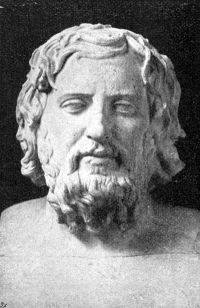
Xenophon
Summary

Xenophon’s Hellenica, a historical account composed in the 4th century BCE, continues Thucydides’ unfinished History of the Peloponnesian War, documenting Greek events from 411 to 362 BC. Centering on the conflicts between Athens and Sparta, the ideological contrast between democracy and oligarchy, and the emergence of Theban supremacy, Xenophon’s work is divided into seven books, highlighting military operations, political transformations, and the significance of cavalry.
Although favoring Sparta, it provides vivid, personalized stories that emphasize human initiative and ethical considerations, concluding with the inconclusive Battle of Mantineia, which marks the decline of Spartan power and the disunited condition of Greek politics.
Quotes from Hellenica (Xenophon)
“ We have braved a thousand dangers with you by land and sea in behalf of our common safety, our common liberty. By the gods of our fathers, by the gods of our mothers, by the hallowed names of kinship, intermarriage, comradeship, those three bonds which knit the hearts of so many of us, bow in reverence before God and man, and cease to sin against the land of our fathers: cease to obey these most unhallowed Thirty, who for the sake of private gain have in eight months slain almost more men than the Peloponnesians together in ten years of warfare. ”
“ At one swoop you are the ruin of a thousand oligarchs at the hands of the people, and at another of a thousand democrats at the hands of the better classes. Why, sirs, this is the man to whom the orders were given by the generals, in the sea-fight off Lesbos, to pick up the crews of the disabled vessels; and who, neglecting to obey orders, turned round and accused the generals; and to save himself murdered them! What, I ask you, of a man who so openly studied the art of self-seeking, deaf alike to the pleas of honour and to the claims of friendship? ”
