Critias

Definition and stakes

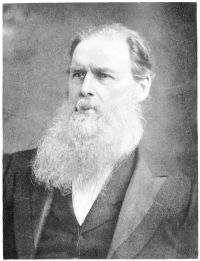
Portrait of Plato Plato,  The Dialogues of Plato (1892)

“ Not universal knowledge, but the knowledge of good and evil, is really required by man. Monster! I said; you have been carrying me round in a circle, and all this time hiding from me the fact that the life according to knowledge is not that which makes men act rightly and be happy, not even if knowledge include all the sciences, but one science only, that of good and evil. For, let me ask you, Critias, whether, if you take away this, medicine will not equally give health, and shoemaking equally produce shoes, and the art of the weaver clothes?—
Charmides.
Socrates, Critias.
”
Source: Wikisource

1911 Encyclopædia Britannica, Volume 27… (1911)

“ Such rulers are not, as is often supposed, confined to a single period, the 7th and 6th centuries B.C. (the so-called “Age of the Tyrants”) of Greek history, but appear sporadically at all times, and are frequent in the later city-states of the Greek world. The use of the term “tyrant” in the bad sense is due largely to the ultra-constitutionalists of the 4th century in Athens, to whom the democracy of Pericles was the ideal of government. Thus the government which Lysander set up in Athens at the close of the Peloponnesian War is called that of the “Thirty Tyrants” (see Critias) . ”
Source: Wikisource

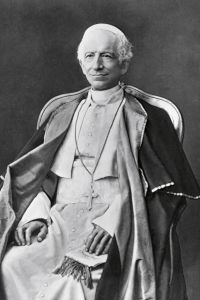
Portrait of Leo XIII Leo XIII,  The Great Encyclical Letters of Pope Leo XIII (1903)

“ Whoso turns his attention to the bitter strifes of these days and seeks a reason for the troubles that vex public and private life must come to the conclusion that a fruitful cause of the evils which now afflict, as well as those which threaten, us lies in this: that false conclusions concerning divine and human things, which originated in the schools of philosophy, have now crept into all the orders of the State, and have been accepted by the common consent of the masses. ”
Source: Wikisource

Get perspective with Kwize: daily news enlightened by great literature