Summary

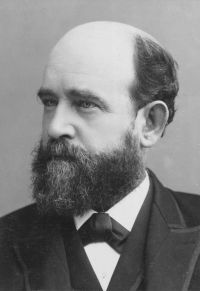
Portrait of Henry George Henry George Progress and Poverty (George)… (1879)

And out of those bounteous material conditions he would have seen arising, as necessary sequences, moral conditions realizing the golden age of which mankind has always dreamed. Youth no longer stunted and starved; age no longer harried by avarice; the man with the muck-rake drinking in the glory of the stars! Foul things fled; discord turned to harmony! For how could there be greed when all had enough? How could there be the vice, the crime, the ignorance, the brutality, that spring from poverty and the fear of poverty, exist where poverty had vanished?
Source: Wikisource

Portrait of Henry George Henry George Progress and Poverty (George)… (1879)

This association of poverty with progress is the great enigma of our times. It is the central fact from which spring industrial, social, and political difficulties that perplex the world, and with which statesmanship and philanthropy and education grapple in vain. From it come the clouds that overhang the future of the most progressive and self-reliant nations. It is the riddle that the Sphinx of Fate puts to our civilization, which not to answer is to be destroyed.
Source: Wikisource

Portrait of Henry George Henry George Progress and Poverty (George)… (1879)

That Political Economy, as at present taught, does not explain the persistence of poverty amid advancing wealth in a manner that accords with the deep-seated perceptions of man; that the unquestionable truths that it does teach are unrelated and disjointed; that it has failed to make progress in popular thought - must be due, it seems to me, not to any inability in the science when properly pursued, but to some false step in its premises, or overlooked factor in its estimates.
Source: Wikisource

Get perspective with Kwize: daily news enlightened by great literature