Summary

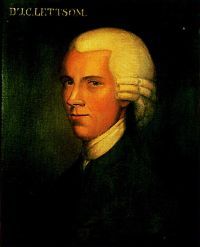
Portrait of John Coakley Lettsom John Coakley Lettsom The Gentleman's Magazine — Letter from Dr Lettsom

Though I have mentioned freedom as the birthright of an Englishman, I would be far from defending the least appearance of licentiousness among the labouring poor: but when we consider the immense importance of this class of people, their executive powers in manufactures, in commerce, in arts, and bodily labour, which are great national concerns, we cannot be too cautious of depressing this love of independence, the genuine fruits of which are virtue, industry, and public spirit.
Source: Wikisource

Portrait of John Coakley Lettsom John Coakley Lettsom The Gentleman's Magazine — Letter from Dr Lettsom

When an event has been communicated to the public, accompanied with such peculiar circumstances as to excite attention, or demand assistance, the public have a claim to every explanation respecting the help afforded, and the benefit produced; but where benevolence and humanity have information peculiarly interested, such information is indispensably requisite, in order to obviate any suspicion of deception, and thereby encourage the future exertions of public generosity.
Source: Wikisource

Portrait of John Coakley Lettsom John Coakley Lettsom The Gentleman's Magazine — Letter from Dr Lettsom

On the contrary, the poor supplicant, instead of finding pity and protection, is too often repulsed by those who hold the power of relief in their hands, with threats of a work-house if they renew their petitions and again urge their necessities.—There is a love of freedom in the human breast; it is the birthright and boast of an Englishman, who ill-brooks unmerited restraint.—A man with such feelings, when oppressed with unavoidable want, is apt to ascribe every instance of neglect to a contempt of his poverty
Source: Wikisource

Get perspective with Kwize: daily news enlightened by great literature