Nerva

Definition and stakes

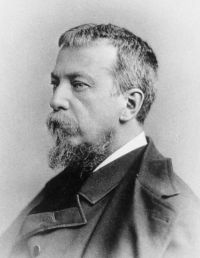
Portrait of François Guizot François Guizot,  A Popular History of France from the Earliest Times…

“ The short reign of Nerva was a wise, a just, and a humane, but a sad one, not for the people, but for himself. He maintained peace and order, recalled exiles, suppressed informers, re-established respect for laws and morals, turned a deaf ear to self-interested suggestions of vengeance, spoliation, and injustice, proceeding at one time from those who had made him emperor, at another from the Praetorian soldiers and the Roman mob, who regretted Domitian just as they had Nero. But Nerva did not succeed in putting a stop to mob-violence or murders prompted by cupidity or hatred. ”
Source: Gutenberg

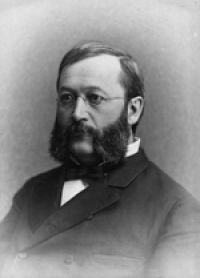
Portrait of F. W. Farrar F. W. Farrar,  Darkness and Dawn; Or, Scenes in the Days of Nero…

“ Otho of course was there, and the guests whom he had invited to the villa in the Apennines. Among the others were Nerva, now a young man of twenty-three, and Vespasian, with his two sons, Titus and Domitian, who, with a few other boys, were asked to meet Britannicus. Piso Licinianus, a youth of seventeen, of high lineage and blameless manners, was of a very different stamp from Nero’s favourite companions, but Nero chose to pay him the compliment of commanding his presence. ”
Source: Gutenberg

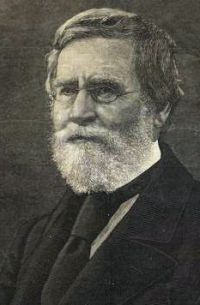
John Lord,  Ancient States and Empires

“ Nerva. On his death a new era of prosperity and glory was inaugurated, by the election of Nerva, and for five successive reigns the Roman world was governed with virtue and ability. It is the golden era of Roman history, praised by Gibbon and admired by all historians, during which the eyes of contemporaries saw nothing but to panegyrize.
Death of Nerva. Marcus Cocceius Nerva was the great-grandson of a minister of Octavius, and was born in Umbria. He was consul with Vespasian, A.D. 71, and with Domitian, in A.D. 90, and was far advanced in life when chosen by the Senate.
”
Source: Gutenberg

Get perspective with Kwize: daily news enlightened by great literature