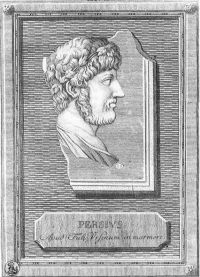
Juvenal, a Roman satirist of the 1st century CE, is renowned for his scathing critiques of societal decline and moral hypocrisy in the later Roman Empire. Scholars such as William Y. Sellar and John P. Postgate view him as a voice of the embittered middle class, while Charles Thomas Cruttwell underscores his originality and emphasis on Roman ethics.
His works, like the Satires, reveal vices through vivid, unflinching portrayals of decadence and corruption, as seen in his contempt for Domitian and his condemnations of greed. Though his rhetoric is severe, his insights into human nature remain strikingly relevant, as noted by Frank Justus Miller, who emphasizes his warnings to parents about the impact of their conduct on future generations. Juvenal’s legacy persists as a mirror to societal failings, combining moral outrage with literary excellence.