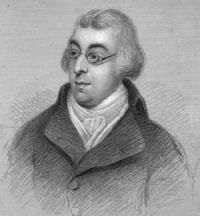
A. G. K. L'Estrange

Biographical details

A. G. K. L'Estrange History of English Humour, Vol…

What wonderful productions of wit should we be deprived of, from those whose genius, by continual practice, has been wholly turned upon raillery and invectives against religion, and would, therefore never be able to shine or distinguish themselves upon any other subject! We are daily complaining of the great decline of Wit among us, and would we take away the greatest, perhaps the only topic we have left? Who would ever have suspected Asgil for a wit, and Toland for a philosopher, if the inexhaustible supply of Christianity had not been at hand to provide them with materials?
Source: Gutenberg

A. G. K. L'Estrange History of English Humour, Vol…

Who knows not that man's childhood is by far the most delightful period of his existence? And why? Because he is then most a fool. And next to that his youth, in which folly still prevails; while in proportion as he retires from her dominion, and becomes possessed through discipline and experience of mature wisdom, his beauty loses its bloom, his strength declines, his wit becomes less pungent, until at last weary old age succeeds, which would be absolutely unbearable, unless folly, in pity for such grievous miseries, gave relief by bringing on a second childhood.
Source: Gutenberg

A. G. K. L'Estrange History of English Humour, Vol…

When the cause of our laughter—be it mind, matter, or imaginary circumstance—is merely regarded as something incongruous and amusing, we name it the ludicrous, and a man is called ludicrous as faulty or contemptible. But when the cause of it is viewed as something more than this, as coming from some conscious power or tendency within us—a valuable gift and an element in our mental constitution—we call it humour, a term applied only to human beings and their productions; and a man is called humorous as worthy of commendation.
Source: Gutenberg

Get perspective with Kwize: daily news enlightened by great literature