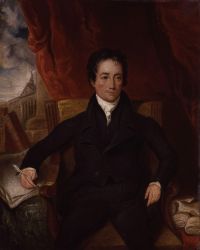
Jest, the act of using humor or playful speech to provoke amusement or challenge conventions, has long served as a lens through which authors explore human nature, morality, and truth. Laurence Sterne contrasts jest with serious inquiry, advocating for reason to guide judgment, while Edward Payson Roe views it as a prelude to meaningful discussion, connecting lightheartedness with duty.
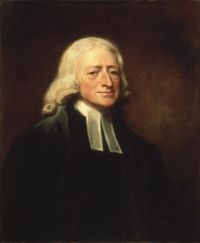
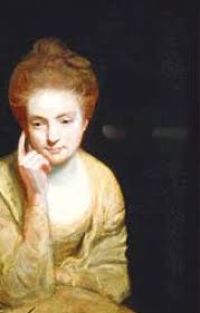
John Wesley and Mary Astell associate jest with the conflict between societal expectations and personal reasoning, examining how humor engages with moral responsibility. Philosophers such as Hegel and Josiah Royce place jest within wider existential or metaphysical contexts, investigating its function in uncovering truth. Ranging from satire to spiritual contemplation, these diverse perspectives highlight jest’s ability to both obscure and reveal reality.
 Edward Payson Roe,
From Jest to Earnest
Edward Payson Roe,
From Jest to Earnest