“ Ten princes of the name of Ramesses, and one called Meri-Tum, bore sway during this interval, each of them showing, if possible, greater weakness than the last, and all of them sunk in luxury, idle, effeminate, sensual. Ramesses III. provoked caricature by his open exhibition of harem-scenes on the walls of his Medinet-Abou palace. His descendants, content with harem life, scarcely cared to quit the precincts of the royal abode, desisted from all war, and even devolved the task of government on other shoulders. ”
Ramesses II
Definition and stakes
Ramesses II, third pharaoh of Egypt’s 19th Dynasty (c. 1303–1213 BCE), is celebrated as one of antiquity’s most powerful rulers, renowned for his military expeditions, architectural achievements, and 66-year reign.
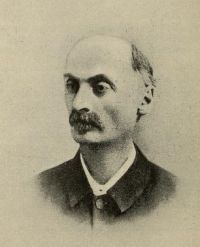
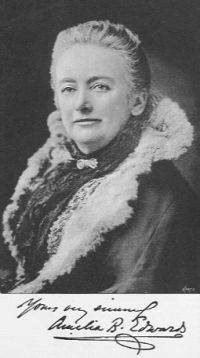
Authors such as Arthur Gilman highlight his martial skill and the subsequent waning of Egyptian power, while George Rawlinson emphasizes his grand constructions, like the colossal statues at Abu Simbel, which epitomized his self-regard and the peak of Egyptian art. These accounts collectively underscore his legacy as a sovereign whose era marked both the height of New Kingdom splendor and the beginning of its gradual decline.
Quotes about “Ramesses II”
“ Menephthah, the thirteenth son and immediate successor of Ramesses II., came to the throne under circumstances which might at first sight have seemed favourable. Egypt was on every side at peace with her neighbours. The wail of Ramesses, and his treaty with the Hittites, cemented as it had been by a marriage, secured the eastern frontier. No formidable attack had ever yet fallen upon Egypt from the west or from the south, and so no danger could well be apprehended from those quarters. ”
 George Rawlinson,
Ancient Egypt
(1886)
George Rawlinson,
Ancient Egypt
(1886)
“ A galaxy of literary talent had, as we have seen, clustered about the reigns of Ramesses II. and Menephthah, under whose encouragement authors had devoted themselves to history, divinity, practical philosophy, poetry, epistolary correspondence, novels, travels, legend. From the time of Ramesses III.--nay, from the time of Seti II.--all is a blank: "the true poetic inspiration appears to have vanished," literature is almost dumb ”