Hamath

Definition and stakes

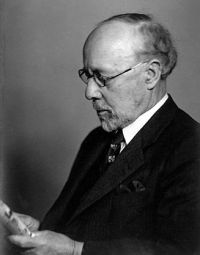
Portrait of A. H. Sayce A. H. Sayce,  Early Israel and the Surrounding Nations

“ Hamath had already fallen. A portion of its population had been transported to the north, and their places filled with settlers from Babylonia. Its king had become an Assyrian vassal, who along with the other subject princes of Asia attended the court held by Tiglath-pileser at Damascus after its capture, there to pay homage to the conqueror and swell his triumph. A few years later, on the accession of Sargon, Hamath made a final effort to recover its freedom. But the [pg 140] effort was ruthlessly crushed, and henceforward the last of the Aramæan kingdoms was made an Assyrian province. ”
Source: Gutenberg

Portrait of A. H. Sayce A. H. Sayce,  Fresh Light from the Ancient Monuments

“ He was compelled to purchase peace by the offer of submission and the payment of tribute. The alliance between Judah and Hamath had been of long standing. David had been the friend of its king Tou or Toi; and at the beginning of Sargon's reign the king of Hamath bears a distinctively Jewish name. This is Yahu-bihdi, or, as it is elsewhere written, Ilu-bihdi, where the word ilu, “god,” takes the place of the name of the covenant God of Israel. It is even possible that Yahu-bihdi was a Jew who had been placed on the throne of Hamath by Azariah. ”
Source: Gutenberg

Get perspective with Kwize: daily news enlightened by great literature