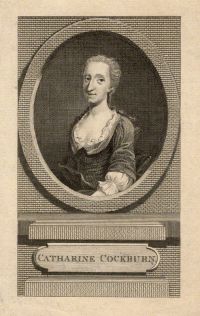
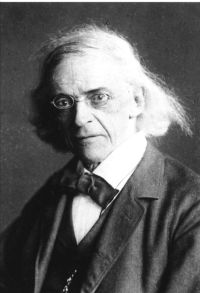
The Orontes, a historical river in the Near East, has functioned as both a geographical landmark and a literary symbol, illustrating human interaction with nature and the power of narrative imagination. While geographers such as Theodor Mommsen emphasized its ancient fertility, novelists like Catharine Trotter and anonymous authors attributed to her portrayed it as a backdrop for romantic and social drama, where characters such as Orontes grapple with love and obligation.
Travelogues and historical accounts further highlight its cultural importance, blending myth with reality. This dual nature reveals the Orontes as a medium for examining human aspirations and the lasting impact of place in storytelling.