Saliva

Definition and stakes

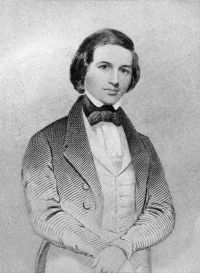
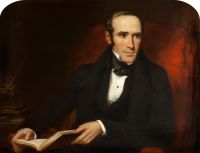
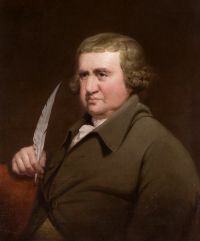
Portrait of Erasmus Darwin Erasmus Darwin,  Zoonomia, or, the Laws of Organic Life… (1796)

“ The saliva is thus naturally poured into the mouth only during the stimulus of our food in mastication; for when there is too great an exhalation of the mucilaginous secretion from the membranes, which line the mouth, or too great an absorption of it, the mouth becomes dry, though there is no deficiency in the quantity of saliva; as in those who sleep with their mouths open, and in some fevers. ”
Source: Wikisource

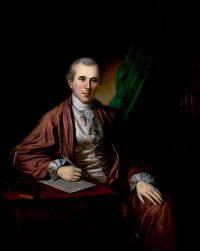
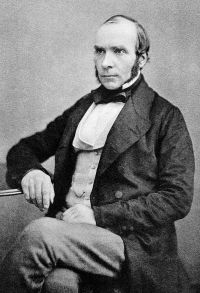
Portrait of John Snow John Snow,  On chloroform and other anæsthetics… (1858)

“ I have reason to conclude that the increased secretion of saliva is caused, not so much by the action of the chloroform on the mucous membrane of the mouth, and the extremities of the gland ducts, as by its action on the capillary circulation of the glands themselves; for on inhaling the vapour carefully by the nostrils, so that none enters the mouth, I still find that there is an increased secretion of saliva. ”
Source: Gutenberg

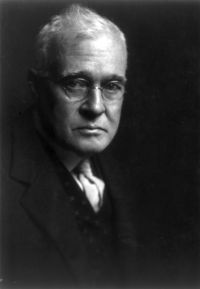
Joseph C. Hutchison,  A Treatise on Physiology and Hygiene

“ Even the mere thought of food will at times cause the saliva to flow, as when the appetite is stimulated by the sight or smell of some savory article; so that the common expression is correct that "the mouth waters" for the favorite articles of food. Anxiety and grief prevent its flow, and cause "the tongue to cleave to the roof of the mouth." In the horse and other animals, that feed upon dry and coarse fodder, and require an abundant supply of saliva, we find large salivary glands, as well as powerful muscles of mastication. ”
Source: Gutenberg

Get perspective with Kwize: daily news enlightened by great literature