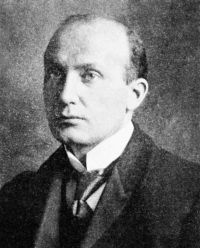
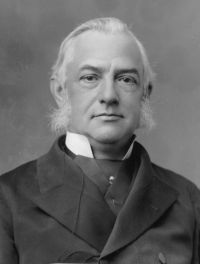
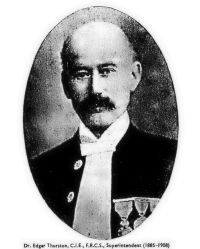
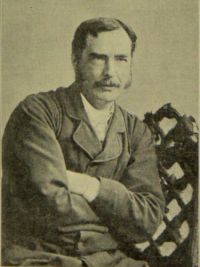
Chewing, the mechanical process of breaking down food using teeth and saliva, has been explored across disciplines as both a biological necessity and a subject of cultural reflection. Authors such as Horace Fletcher emphasized its role in digestion, framing it as a deliberate practice to improve health, while Robert Sessions Woodworth examined it as a reflexive reaction to the presence of food. James J.
Walsh contrasted meat-eating animals' lack of chewing with herbivores' careful mastication, highlighting evolutionary adaptations. In religious contexts, the Encyclopædia Britannica connected chewing to symbolic consumption, illustrating its multifaceted significance. From physiological to philosophical perspectives, these viewpoints collectively underscore chewing as a bridge between bodily function and human experience.
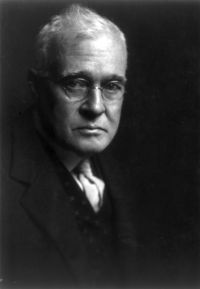 Horace Fletcher,
The New Glutton or Epicure
Horace Fletcher,
The New Glutton or Epicure