The pig, a domesticated omnivorous even-toed ungulate, has played a central role in human agriculture, cuisine, and culture for millennia. From its domestication in Neolithic China and the Near East to its function as a source of pork and leather, the pig's usefulness is well documented. Literature, too, has long explored the animal, depicting it through various perspectives: Octave Mirbeau’s poetic admiration for its earthy vitality, Charles Dickens’s portrayal of urban scavenging pigs, and anonymous 19th-century observations on its unpretentious resilience.
These depictions, found in poetry, prose, and polemics, reveal the pig as both a symbol of utility and a subject of thoughtful anthropomorphism. The theme thus connects biological function with cultural significance, reflecting humanity’s complex relationship with this adaptable creature.
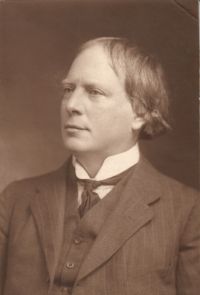
 Octave Mirbeau,
Calvary
(1922)
Octave Mirbeau,
Calvary
(1922)