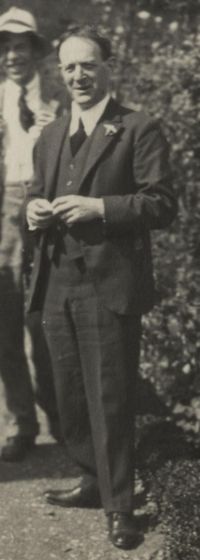
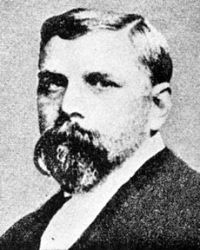
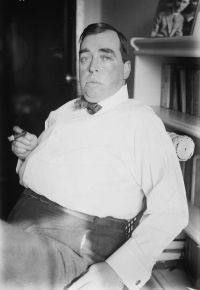
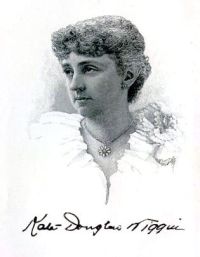
The concept of a butcher, traditionally a tradesperson involved in slaughtering animals or selling meat, has been examined in literature through diverse perspectives. Authors like Thomas Hood humorously portray the butcher’s obsessive admiration for his goods, while Walter De la Mare criticizes the trade’s visceral unpleasantness.
Victor Hugo’s Les Misérables provides a neutral, observational view of a butcher’s shop as a backdrop to human struggle. Meanwhile, Irvin S. Cobb’s wit and Edgar Fritz Randolph’s moral analysis emphasize the tension between utility and excess in the trade. These viewpoints together reveal the butcher as both a practical necessity and a symbol of ethical complexity.
 Allen Upward,
A crown of straw
(1896)
Allen Upward,
A crown of straw
(1896)