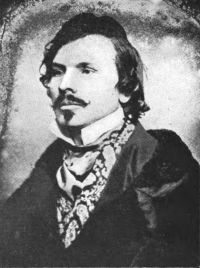
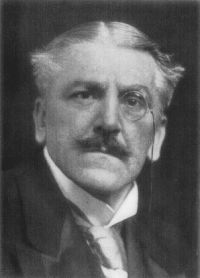
The concept of "blow" encompasses both physical impact and metaphorical force, serving as a versatile motif in literature to convey conflict, transformation, and human fragility. Authors from Shakespeare to Čapek have explored its nuances: Shakespeare juxtaposes literal and figurative strikes in Macbeth, where a violent act haunts the soul, while Wilkie Collins portrays a decisive, physical strike in The Woman in White as a moment of frantic desperation.
Karel Čapek infuses it with apocalyptic urgency in Krakatit, framing it as a cataclysmic rupture. Meanwhile, George Wither’s poem contrasts destructive winds with the resilience of fire, suggesting that adversity can fuel growth. These varied portrayals reveal "blow" as a bridge between physical struggle and abstract turmoil, reflecting the duality of human experience.
 Wilkie Collins,
The Woman in White
(1896)
Wilkie Collins,
The Woman in White
(1896)