Roast beef

Definition and stakes

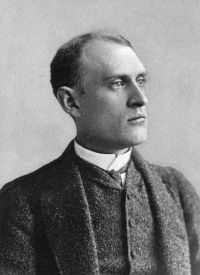
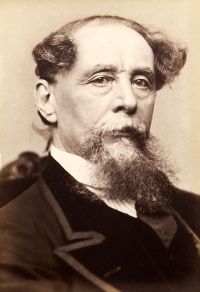
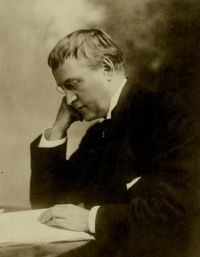
Portrait of Henry T. Finck Henry T. Finck,  Food and Flavor: A Gastronomic Guide to Health and Good Living

“ Why is our roast beef usually so insipid and unappetizing?
Sometimes the inferior quality of the meat is to blame, but more frequently our disappointment is due to the cook's indolence or the substitution of baking for roasting.
Real roasting is like broiling in so far as it requires exposure of the meat to an open fire. It differs from broiling in that it also calls for frequent basting, that is, taking up with a spoon the fat which flows from the meat and pouring it over the surface, thus aiding the initial searing in keeping in the juices, on which the Flavor depends.
”
Source: Gutenberg

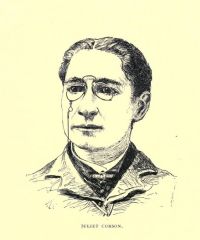
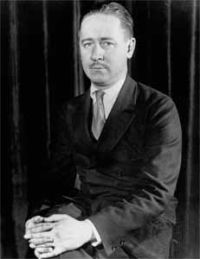
Portrait of Robert Benchley Robert Benchley,  Of All Things

“ I had gone through a week of self-denial, ordering roast beef when I craved edibles, eating at restaurants while my family waited for me at home, and here was the result of my researches: Roast beef is roast beef, and nothing can prevent it. From the ten-cent order of the Busy Home Restaurant, up through to the piece I was then eating, it was the same grim reality, the only justification for a difference in price being a silver salver or a waiter in a tuxedo. ”
Source: Gutenberg

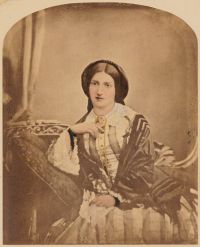
Portrait of Mary Ronald Mary Ronald,  The Century Cook Book

“ To roast beef on a spit before the fire is unquestionably the best method of cooking it; but as few kitchens are equipped for roasting meats, baking them in the oven is generally practised, and has come to be called roasting. Beef should be well streaked with fat, and have a bright-red color. Place the meat to be baked on a rack which will raise it a little above the bottom of the pan. Dredge the whole, top and sides, with flour. Place in a corner of the pan a half teaspoonful of salt and a quarter teaspoonful of pepper. Do not let them touch the raw meat, as they draw out the juices. ”
Source: Gutenberg

Get perspective with Kwize: daily news enlightened by great literature