Yorkshire pudding

Definition and stakes

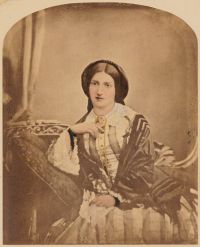
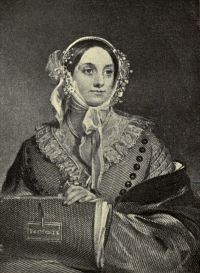
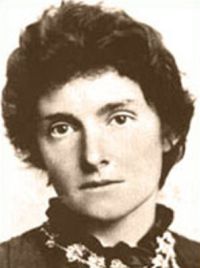
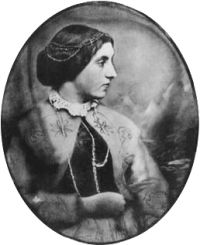
Portrait of Mrs. Loudon Mrs. Loudon,  The Lady's Country Companion; Or…

“ For an excellent Yorkshire pudding, take six eggs, six heaped table-spoonfuls of flour, and one tea-spoonful of salt. Beat the eggs well, strain them, and mix them with the flour, and then add gradually about a pint of milk, so as to make the whole into a rather thin batter. Warm the pan, and rub it with dripping or butter before the batter is poured into it, and let the batter be about an inch thick. When the pudding is browned on one side cut it into quarters, or eight pieces, and turn them to brown the other. In some places the pudding is made very thin, and not turned ”
Source: Gutenberg

1911 Encyclopædia Britannica, Volume 22… (1911)

“ PUDDING, a term, now of rather wide application, for a dish consisting of boiled flour enclosing or containing meat, vegetables or fruit, or of batter, rice, sago or other farinaceous foods boiled or baked with milk and eggs. Properly a pudding should be one boiled in a cloth or bag. There are countless varieties, of which the most familiar are the Christmas plum-pudding, the Yorkshire pudding and the suet pudding. ”
Source: Wikisource

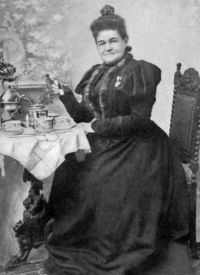
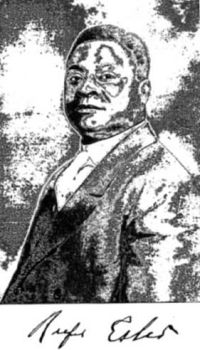
Portrait of Rufus Estes Rufus Estes,  Good Things to Eat, as Suggested by Rufus

“ YORKSHIRE PUDDING—Take an equal number of eggs and tablespoonful of sifted flour and when the eggs are well beaten mix them in with the flour, add some salt and a little grated nutmeg and then pour in as much new milk as will make a batter of the consistency of cream, stir the batter with a fork well for ten minutes and then put in at once into a baking tin, which must be very hot, containing a couple of tablespoons of hot drippings. Set the pudding in oven to bake or before the fire under the roasting meat. ”
Source: Gutenberg

Get perspective with Kwize: daily news enlightened by great literature