Babylonians

Definition and stakes

James Grant,  The Mysteries of All Nations

“ In course of time Babylon rose to great grandeur, but superstition became so prevalent that it proved a snare to the inhabitants. Like the heathen around, they worshipped fire and images. The Babylonians pretended to great skill in astrology, soothsaying, and magic. The Chaldeans, so called in a strict sense, were a society of pretenders to learning, priests, philosophers, astrologers, and soothsayers, who, it is said, dwelt in a region by themselves, and the rest of the people were called Babylonians. While Babylon was in its glory, prophets predicted that dreadful judgments would befall it. ”

Source: Gutenberg

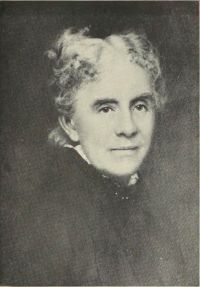
Portrait of A. H. Sayce A. H. Sayce,  Babylonians and Assyrians, Life and Customs

“ Western Asia had received its culture and the elements of its theology from Babylonia, and Babylonia consequently was a sacred land not only to the Babylonians themselves, but to [pg 066] all those who shared their civilization. The very soil was holy ground; Assyrians as well as Babylonians desired that their bodies should rest in it. Here they were in the charge, as it were, of Bel of Nippur or Merodach of Babylon, and within sight of the ancient sanctuaries in which those gods were worshipped. ”
Source: Gutenberg

Portrait of Lewis Spence Lewis Spence,  Myths & Legends of Babylonia & Assyria

“ In Babylonian history there are but two figures of moment—the soldier and the priest. We are dealing with a race austere and stern, a race of rigorous religious devotees and conquerors, the Romans of the East—but not an unimaginative race, for the Babylonians and Assyrians came of that stock which gave to the world its greatest religions, Judaism, Christianity, and Mohammedanism, a race not without the sense of mystery and science, for Babylon was the mother of astrology and magic, and established the beginnings of the study of the stars ”
Source: Gutenberg

Get perspective with Kwize: daily news enlightened by great literature