Sennacherib

Definition and stakes

Matthew Henry,  Commentary on the Whole Bible… (1700s)

“ Here is, I. The formidable design of Sennacherib against Hezekiah's kingdom, and the vigorous attempt he made upon it. This Sennacherib was now, as Nebuchadnezzar was afterwards, the terror and scourge and great oppressor of that part of the world. He aimed to raise a boundless monarchy for himself upon the ruins of all his neighbours. His predecessor Shalmaneser had lately made himself master of the kingdom of Israel, and carried the ten tribes captives. Sennacherib thought, in like manner, to win Judah for himself. Pride and ambition put men upon grasping at universal dominion. ”
Source: Wikisource

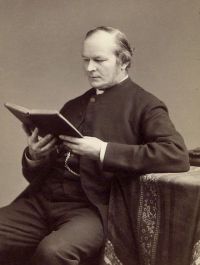
Portrait of F. W. Farrar F. W. Farrar,  The Expositor's Bible: The Second Book of Kings

“ And it was true that after his disaster on the confines of Egypt, Sennacherib had fled in haste to Nineveh, and his occupations with rebels on his own frontiers had left Judah unmolested, and he had been murdered by his sons. But, on the other hand, in no sense of the word had Assyria fallen. On the contrary, she had never been more powerful. Not one of his predecessors had seemed more irresistible than Esarhaddon. He was undisputed king of Babylon and of Nineveh. There would be no more embassies from Merodach-Baladan, or any revolted viceroy! ”
Source: Gutenberg

Charles Foster Kent,  Biblical Geography and History

“ In the later crisis of 690 B.C., when Sennacherib advanced to the conquest of Egypt, the prophet by his advice was able to save Jerusalem. While engaged in the siege of Lachish, the imposing fortress on the Philistine Plain on the southern side of the Wady el-Hesy, Sennacherib sent messengers demanding the unconditional surrender of Judah's capital. From the point of view of the Assyrian king it was dangerous to leave in his rear a strong fortress like Jerusalem, which had already proved a centre of rebellion. ”
Source: Gutenberg

Get perspective with Kwize: daily news enlightened by great literature