Hezekiah

Definition and stakes

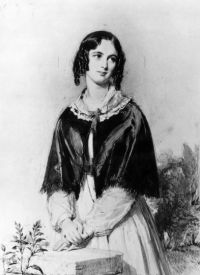
Portrait of Charlotte M. Yonge Charlotte M. Yonge,  Captivating Bible Stories for Young People…

“ In his great distress Hezekiah went up to the Temple, and told God all his trouble. And he said, "Thou art the God, even Thou alone, of all the kingdoms of the earth: Thou hast made heaven and earth." He said he knew the gods of those nations could not save them, for they were no gods, only wood and stone; but he trusted that God would save him and his people, though they were far too weak to defend themselves against this terrible king and his people. ”
Source: Gutenberg

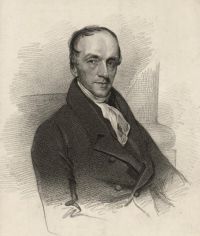
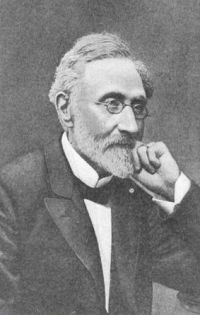
Portrait of Heinrich Graetz Heinrich Graetz,  History of the Jews, Vol. 1 (of 6…

“ In consequence of this want of harmony amongst the highest authorities of the country, Hezekiah's government appears full of contrasts—high-mindedness and meanness, moral improvement and degradation, pure faith in God and dependence on foreign aid; the king an ideal of justice, and his capital full of murderers. Not even in effecting the banishment of idolatry was Hezekiah successful. The nobles retained their silver and golden idols, and worshipped the handiwork of man; in their gardens remained the statues of Astarte under the thickly-laden terebinth trees, planted for idolatrous purposes. ”
Source: Gutenberg

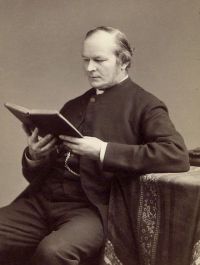
Portrait of F. W. Farrar F. W. Farrar,  The Expositor's Bible: The Second Book of Kings

“ To enter Sheol meant to Hezekiah to pass beyond the cheerful sunshine of earth and the felt presence of God. No more worship, no more gladness there!
"For Sheol cannot praise Thee, Death cannot celebrate Thee;
They that go down into the pit cannot hope for Thy truth."
On every ground, therefore, the feelings of Hezekiah, had he not been a worshipper of God, might have been like those of Mycerinus, and, like that legendary Egyptian king, he might have cursed God before he died.
”
Source: Gutenberg

Get perspective with Kwize: daily news enlightened by great literature