“ The consumption of sackcloth for covering every man and beast must have been rather large, and the Nineveh sackcloth manufacturers must have had enormous stocks on hand to supply the sudden demand. The city article of the Nineveh Times, if such a paper existed, would probably have described “sackcloth firm, with a tendency to rise.” Man and beast, all dressed in or covered with sackcloth! It would be sometimes difficult to distinguish a Ninevite man from a Ninevite beast, the dress being similar for all. ”
Sackcloth
Definition and stakes
Sackcloth, a rough fabric traditionally woven from goat hair, has long represented repentance, sorrow, and humility in religious and cultural settings. Biblical passages describe its use by Israelites during periods of grief or protest, often alongside ashes, while Christian customs incorporated it into Lenten self-discipline.
Writers such as Matthew Henry associated it with deep spiritual sorrow, while Fredrika Bremer highlighted its practical function in colonial clothing. From theological contemplations to historical analyses of costume, sackcloth’s dual function as a symbol and a practical material highlights its lasting significance across literature and ceremony. Its influence continues in both sacred traditions and common attire, connecting the spiritual with the everyday.
Quotes about “sackcloth”
Matthew Henry, Commentary on the Whole Bible… (1700s)
“ O daughter of my people, hear thy God calling thee to weeping and mourning, and answer his call: do not only put on sackcloth for a day, but gird it on for thy constant wear; do not only put ashes on thy head, but wallow thyself in ashes; put thyself into close mourning, and use all the tokens of bitter lamentation, not forced and for show only, but with the greatest sincerity, as parents mourn for an only son, and think themselves comfortless because they are childless. Thus do thou lament for the spoiler that suddenly comes upon us. ”
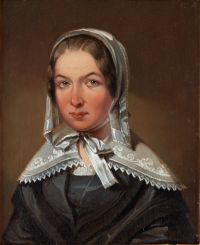 Fredrika Bremer,
The Homes of the New World
(1853)
Fredrika Bremer,
The Homes of the New World
(1853)
“ The negro and mulatto women use it mostly as a long shawl and of thicker material, to screen them from the sun when they are out in the middle of the day. Sometimes, and even to-day, I have seen ladies, evidently not of the lower class, dressed in garments of coarse gray sackcloth, and with this scarf of the same cloth over the head. ”