Twine, a strong cord created by twisting multiple strands in opposite directions, has played both practical and symbolic roles across cultures and time periods. From prehistoric tools to contemporary crafts, its usefulness is highlighted by its tensile strength and adaptability.
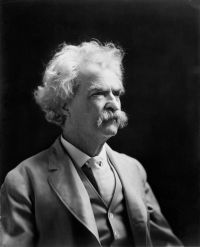
In literature, authors like Mark Twain used twine metaphorically, exploring themes of duality and identity through Siamese twins, while J.M. Barrie and Kate Douglas Wiggin emphasized its narrative value in portraying familial connections and human complexity. These diverse approaches demonstrate twine’s lasting presence as both a physical object and a literary symbol, connecting the concrete and the abstract.