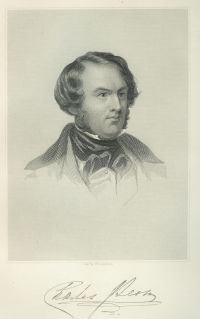
Aid, in its broadest sense, refers to the support or assistance given to individuals, communities, or nations during times of need, encompassing material, moral, or institutional interventions. This theme has been examined by numerous thinkers, from Mary Ellen Richmond’s reflections on the challenges of prudent charitable relief to Charles Sumner Young’s focus on First Aid as a unifying practice.
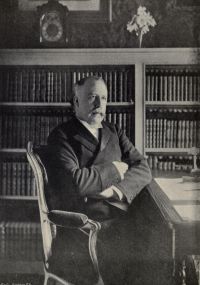
William Jennings Bryan saw aid as a force that elevates shared human destiny, while Peter Kropotkin connected mutual aid to societal evolution. William Graham Sumner differentiated between voluntary charity and state-imposed support, and George William Erskine Russell described aid as a moral obligation to relieve suffering. These diverse viewpoints highlight aid’s dual function as both a practical instrument and a philosophical necessity, grounded in collective responsibility and the acknowledgment of interdependence.
 William Jennings Bryan,
The World's Famous Orations
(1906)
William Jennings Bryan,
The World's Famous Orations
(1906)