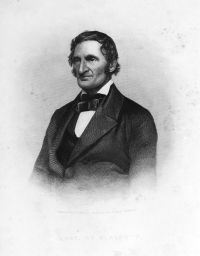
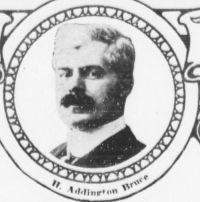
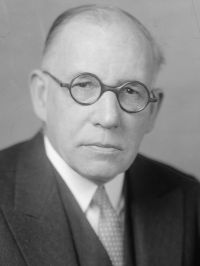
Intervention, in legal terms, refers to a procedural mechanism that enables nonparties to become involved in ongoing litigation, ensuring their interests are taken into account. This concept, though grounded in jurisprudence, goes beyond the courtroom, as illustrated by various authors' analyses. William Gray Elmslie highlighted the collective moral impact of intervention, while Everett Dean Martin viewed it as an ongoing process that continually raises new challenges.
Adam Gurowski criticized it as an instrument of power, and the U.S. Department of Health, Education, and Welfare differentiated its function in practice from its role in research. These viewpoints underscore intervention as both a legal tool and a multifaceted social action, reflecting the tensions between justice, authority, and ethical duty.