Manasseh

Definition and stakes

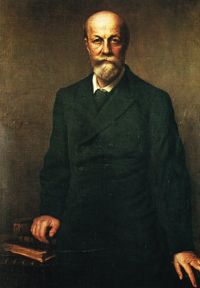
Portrait of Mór Jókai Mór Jókai,  Manasseh: A Romance of Transylvania

“ A strength and self-denial more than human seemed necessary if he would turn his back coldly on the splendid prospect that opened before him as his country's avenger and deliverer. What words can do justice to the conflicting emotions which Manasseh experienced in that hour of trial? His comrades in arms and many of his dearest friends, he felt convinced, would turn upon him with mockery and reviling if he should now still cling to his principles and refuse to disobey the commandment of his God,—"Thou shalt not kill." ”
Source: Gutenberg

Portrait of Mór Jókai Mór Jókai,  Manasseh: A Romance of Transylvania

“ In the morning Manasseh came early to escort the ladies and Gabriel Zimandy to the Sistine Chapel. Upon gaining the Piazza di San Pietro they found a vast throng already assembled, through which the young man was forced to pilot his charges. Blanka was compelled to cling fast to his arm, while Madam Dormandy took the advocate's, and so they made the best of their way forward. As if by instinct, Manasseh knew where a courteous request would open a path before them, where to resort to more energetic measures, and where a couple of lire would prove most effectual. ”
Source: Gutenberg

Clovis Gillham Chappell,  Sermons on Biblical Characters

“ But when God sought the man upon whose shoulders rested the chief responsibility for the wreck of the nation, He fixed on this man. When Manasseh stood on trial before Him, charged with the terrible crime of blasting a kingdom, he was found guilty.
It was a startling verdict. It is all the more startling when we realize that Manasseh in the last years of his life was a good man. It was only his earlier years that were spent in sin. In his old age he was a saint. In the last years of his reign he knew God and did all that he could to undo the evils of an ill-spent yesterday.
”
Source: Gutenberg

Get perspective with Kwize: daily news enlightened by great literature