Ideograph

Definition and stakes

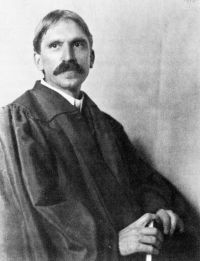
Portrait of Samuel Johnson Samuel Johnson,  Oriental Religions - China (1878)

“ The assured belief of the author is disturbed only by the fear that his theory will be assailed on the ground of the "confusion of tongues;" but not at all by any suspicion that the ideograph is too natural a form of primitive writing to require being traced to one centre for mankind, even though that centre be the all-sufficient family of "Noe." ”
Source: Wikisource

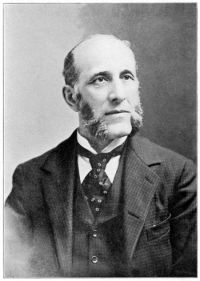
Portrait of Philip Van Ness Myers Philip Van Ness Myers,  Ancient History (1904)

“ In this system of writing the characters are rude pictures of material objects, as for instance a picture of an eye to indicate the organ of sight; or they are symbols of ideas, as for illustration a picture consisting of wavy lines beneath an arc representing the sky to indicate rain. This way of representing ideas, which seems natural to man, is known as ideographic writing, and the signs are. called ideograms.
A great step in advance is taken when the picture writer uses his pictures or symbols to represent not actual objects or ideas, but sounds of the human voice, that is, words.
”
Source: Wikisource

Portrait of Ernest Cushing Richardson Ernest Cushing Richardson,  The Beginnings of Libraries

“ All hieroglyphic and alphabetic writing is, therefore, in a way ideographic, but we are accustomed to distinguish phonetic writing and to leave for ideograms proper only those pictures which appeal to eye rather than ear. Some people read even alphabetical printed words as ideograms—the word suggests its object directly without being translated into its sounds. Some, on the other hand, cannot read even to themselves without thinking in sounds or even moving the lips. ”
Source: Gutenberg

Get perspective with Kwize: daily news enlightened by great literature