“ Holding the mind to a subject is like holding a ship to its course; it implies constant change of place combined with unity of direction. Consistent and orderly thinking is precisely such a change of subject-matter. Consistency is no more the mere absence of contradiction than concentration is the mere absence of diversion—which exists in dull routine or in a person "fast asleep." All kinds of varied and incompatible suggestions may sprout and be followed in their growth, and yet thinking be consistent and orderly, provided each one of the suggestions is viewed in relation to the main topic. ”
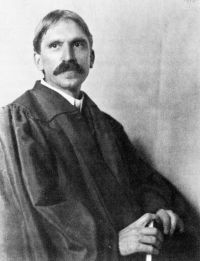
John Dewey
Summary
John Dewey’s How We Think, first published in 1910 and revised in 1933, investigates the nature of intellectual activity through 14 chapters that analyze the processes of reasoning, deduction, and problem-solving. Dewey considers how thought arises from unclear circumstances, highlighting the dynamic interaction of ideas, observation, and conviction. At the core of his analysis is the notion that productive thinking demands active involvement with challenges, rather than passive reception of information.
The work emphasizes the educational value of encouraging critical questioning, connecting cognitive growth to real-world problem-solving and the teacher's role in cultivating thoughtful reasoning. Dewey’s framework portrays thinking not as a fixed process but as a developing, goal-oriented activity crucial to both personal development and societal advancement.
Quotes from How We Think (John Dewey)
“ A deadly and fanatic consistency is not our goal. Concentration does not mean fixity, nor a cramped arrest or paralysis of the flow of suggestion. It means variety and change of ideas combined into a single steady trend moving toward a unified conclusion. Thoughts are concentrated not by being kept still and quiescent, but by being kept moving toward an object, as a general concentrates his troops for attack or defense. ”
“ Thinking begins in what may fairly enough be called a forked-road situation, a situation which is ambiguous, which presents a dilemma, which proposes alternatives. As long as our activity glides smoothly along from one thing to another, or as long as we permit our imagination to entertain fancies at pleasure, there is no call for reflection. Difficulty or obstruction in the way of reaching a belief brings us, however, to a pause. ”
