Nimrud

Definition and stakes

1911 Encyclopædia Britannica (1911)

“ It shared the fate of Nineveh, was captured and destroyed by the Medes and Babylonians toward the close of the 7th century, and from that time has remained a ruin. The site was discovered by Sir A. H. Layard, in 1845, in the tel of Nimrud. Hebrew tradition (in the J narrative, Genesis x. 11, 12) mentions Calah as built by Nimrod. Modern Arabic tradition likewise ascribes the ruins, like those of Birs Nimrud, near Babylon, to Nimrod, because they are the most prominent ruins of that region. Similarly the ancient dike in the river Tigris at this point is ascribed to Nimrod. ”
Source: Wikisource

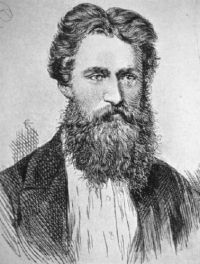
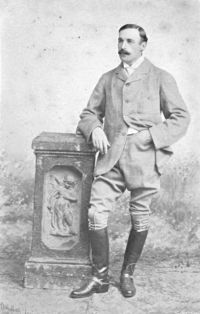
Portrait of H. F. B. Lynch H. F. B. Lynch,  Armenia, Travels and Studies (Volume 2 of 2…

“ Nimrud is therefore one of the largest perfect craters in the world.2 The period during which it seethed with a lake of molten matter, which overflowed into the lower levels on every side, must date far beyond the limits of history. At the present day not a wreath of smoke ascends from the volcano; though at times a little landslip sends the fine sand into the air, with much the same appearance as a cloud. ”
Source: Gutenberg

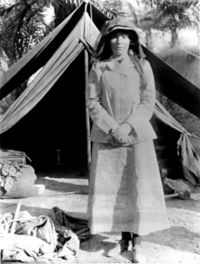
Portrait of Gertrude Lowthian Bell Gertrude Lowthian Bell,  Amurath to Amurath

“ But except for the flowers, Nimrûd, whence we obtained many of the treasures of our museum in London, is a pitiful sight for English eyes. Its neglected state stands in sharp contrast with the pious care which the German excavators are expending upon the ruins of Asshur. Carved and inscribed blocks have been left exposed to the malicious attacks of Arab boys, [128] who hold it a meritorious act to deface an idol, and to the even slenderer mercy of the winter rains and frosts. ”
Source: Gutenberg

Get perspective with Kwize: daily news enlightened by great literature