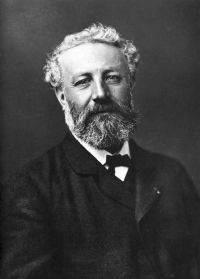
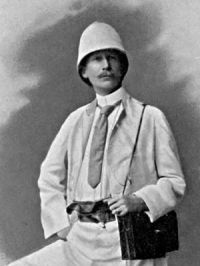
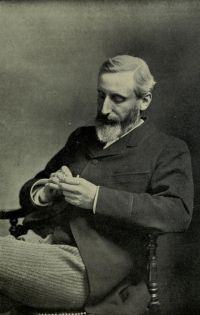
A volcano is a natural opening in Earth's crust where magma, ash, and gases erupt, shaped by tectonic forces or mantle plumes. From divergent ridges to explosive convergent zones, its forms range from shield volcanoes to fissure vents. Authors like Edwin J. Houston depicted its apocalyptic beauty, while Jules Verne imagined its subterranean mysteries, and Archibald Geikie evoked its haunting presence.
A. G. Gardiner likened human existence to life on its slopes, underscoring its dual role as both geological phenomenon and symbol of nature’s raw power. These perspectives intertwine science and imagination, revealing volcanoes as dynamic forces shaping Earth and human narrative alike.
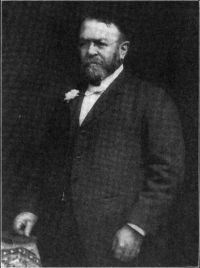 Edwin J. Houston,
The Wonder Book of Volcanoes and Earthquakes
Edwin J. Houston,
The Wonder Book of Volcanoes and Earthquakes