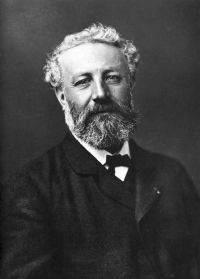
James Carpenter

Biographical details

James Carpenter,  The Moon: considered as a planet…

“ The sun declines towards the dark horizon without losing one jot of its brilliancy, and darts the full intensity of its heat upon all it shines on to the last. Its disc touches the horizon, and in half an hour dips half-way beneath it, its intrinsic brightness and colour remaining unchanged. The brief interval of twilight occurs, as in the morning, when only a small chord of the disc is visible, and the long shadows now sharpen as the area of light that casts them decreases. For a while the zodiacal light vies with the earth-moon high in the heavens in illuminating the scene ”

Source: Gutenberg

James Carpenter,  The Moon: considered as a planet…

“ Dawn, as we have it on earth, can have no counterpart upon the moon. No atmosphere is there to reflect the solar beams while the luminary is yet out of actual sight, and only the glimmer of the zodiacal light heralds the approach of day. From the black horizon the sun suddenly darts his bright untempered beams upon the mountain tops, crowning them with dazzling brilliance while their flanks and valleys are yet in utter darkness. There is no blending of the night into day. ”
Source: Gutenberg

James Carpenter,  Once a Week (1863)

“ It is the most subtle, but most potent of them all, for to its pervading influence we owe most of the benefits and enjoyments we receive, directly or indirectly, from the solar light: the verdure of spring and the sereness of autumn, the odour of the violet, the blush on the rose, the golden glory of the ripening corn, and the copious juices of the luscious fruit, are all developed by its latent power: it is its silent and unseen agency that vivifies the vegetable, and invigorates the animal world ”
Source: Wikisource

Get perspective with Kwize: daily news enlightened by great literature