A telescope is an instrument designed to observe distant objects by capturing electromagnetic radiation, evolving from 17th-century optical tools to modern devices capable of detecting a wide range of wavelengths. Initially used for terrestrial and astronomical observations, it has expanded to include radio, infrared, and space-based versions, such as the Hubble and James Webb telescopes.
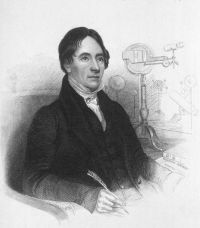
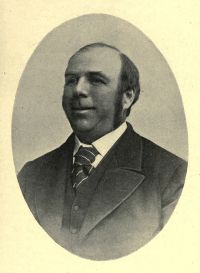
Authors like Thomas Dick and Garrett Putman Serviss underscored its role in unveiling cosmic wonders, from planetary rings to distant star systems, while Edmund Neison highlighted its ability to measure and enhance celestial phenomena. The telescope remains a cornerstone of astronomical discovery, connecting human curiosity with the vastness of the universe.