Persepolis

Definition and stakes

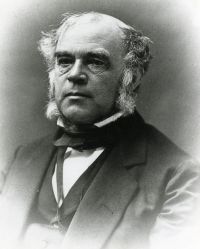
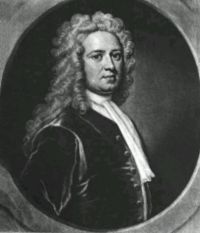
Henry O'Brien,  The Round Towers of Ireland; or…

“ The ruins of Persepolis are the noblest monuments of the most flourishing era of this empire, which have survived the lapse of ages. As solitary in their situation as peculiar in their character, they rise above the deluge of years, which for centuries has overwhelmed all the records of human grandeur, around them, or near them, and buried all traces of Susa and of Babylon. Their venerable antiquity and majestic proportions do not more command our reverence, than the mystery which involves their construction awakens the curiosity of the most unobservant spectator. ”
Source: Gutenberg

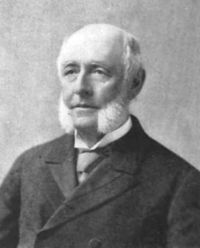
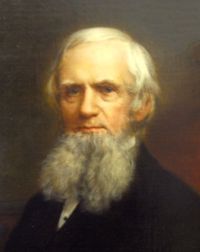
Portrait of George Rawlinson George Rawlinson,  The Seven Great Monarchies Of The Ancient Eastern World…

“ At the distance of thirty miles from Pasargadae, or of more than forty by the ordinary road, grew up the second capital, Persepolis, occupying a more southern position than the primitive seat of power, but still situated towards the edge of the plateau, having the mountain-barrier to the south-west and the desert at no great distance to the north-east. Like its predecessor, Persepolis was situated in a plain, but in a plain of much larger dimensions and of far greater fertility. ”
Source: Gutenberg

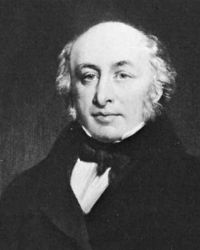
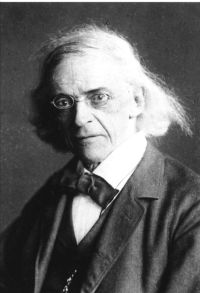
Frederic Shoberl,  Persia (1828)

“ Such was in past ages the general appearance of the temple or palace of Persepolis. The genius of destruction now hovers round this terrace; earthquakes have changed the face of it; the hand of man has assiduously overthrown what they had spared: the eye now discovers nothing but fragments of walls, detached door-ways; columns, partly in ruin; the ground strewed with fragments of shafts, capitals and blocks of marble; while heaps of sand and dust are daily covering more and more of these structures, whose remaining masses astonish the imagination. ”
Source: Wikisource

Get perspective with Kwize: daily news enlightened by great literature