Artaxerxes

Definition and stakes

Portrait of Plutarch Plutarch Plutarch's Lives — Artaxerxes (1859)

So long then as Sparta continued to be the first state in Greece, Artaxerxes continued to Antalcidas the honor of being called his friend and his guest; but when, routed and humbled at the battle of Leuctra, being under great distress for money, they had dispatched Agesilaus into Egypt, and Antalcidas went up to Artaxerxes, beseeching him to supply their necessities, he so despised, slighted, and rejected him, that finding himself, on his return, mocked and insulted by his enemies, and fearing also the ephors, he starved himself to death.
Source: Wikisource

Portrait of Plutarch Plutarch Plutarch's Lives — Artaxerxes (1859)

Artaxerxes, on the other side, was gentler in everything, and of a nature more yielding and soft in its action. He married a beautiful and virtuous wife, at the desire of his parents, but kept her as expressly against their wishes. For king Darius, having put her brother to death, was purposing likewise to destroy her. But Arsicas, throwing himself at his mother's feet, by many tears, at last, with much ado, persuaded her that they should neither put her to death nor divorce her from him. However, Cyrus was his mother's favorite, and the son whom she most desired to settle in the throne.
Source: Wikisource

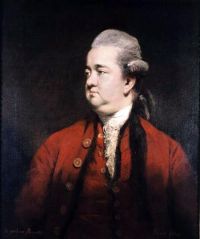
Portrait of Edward Gibbon Edward Gibbon History of the Decline and Fall of the Roman Empire…

Artaxerxes had served with great reputation in the armies of Artaban, the last king of the Parthians, and it appears that he was driven into exile and rebellion by royal ingratitude, the customary reward for superior merit. His birth was obscure, and the obscurity equally gave room to the aspersions of his enemies, and the flattery of his adherents. If we credit the scandal of the former, Artaxerxes sprang from the illegitimate commerce of a tanner’s wife with a common soldier.
Source: Gutenberg

Get perspective with Kwize: daily news enlightened by great literature