Cyrus Ingerson Scofield

Biographical details

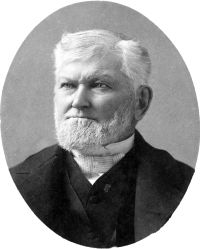
Portrait of Cyrus Ingerson Scofield Cyrus Ingerson Scofield Scofield Reference Bible Notes… (1800s)

Verse 47 the kingdom of heaven
The parable of the Net ( (Greek - δαιμονίζομαι [9] -net) presents another view from that of the wheat and tares of the mysteries of the kingdom as the sphere of profession, but with this difference: there Satan was the active agent; here the admixture is more the result of the tendency of a movement to gather to itself that which is not really of it) . The kingdom of heaven is like a net which, cast into the sea of humanity, gathers of every kind, good and bad, and these remain together in the net (v. 49) and not merely in the sea, until the end of the age.
Source: Wikisource

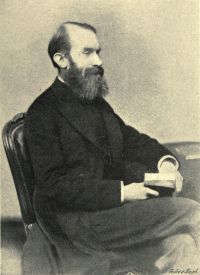
Portrait of Cyrus Ingerson Scofield Cyrus Ingerson Scofield Scofield Reference Bible Notes… (1800s)

To assert, therefore, that there is no difference between soul and spirit is to assert that there is no difference between the mortal body and the resurrection body. In Scripture use, the distinction between spirit and soul may be traced. Briefly, that distinction is that the spirit is that part of man which "knows" 1 Corinthians 2:11 his mind; the soul is the seat of the affections, desires, and so of the emotions, and of the active will, the self.
Source: Wikisource

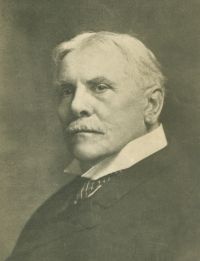
Portrait of Cyrus Ingerson Scofield Cyrus Ingerson Scofield Scofield Reference Bible Notes… (1800s)

Morally, Nineveh is described in Romans 1:21-23. The chief deity of apostate Nineveh was the bull-god, with the face of a man and the wings of a bird: "an image made like to corruptible man, and to birds, and four-footed beasts."
The message of Nahum, uttered about one hundred years before the destruction of Nineveh, is, therefore, not a call to repentance, but an unrelieved warning of judgment: "He will make an utter end: affliction shall not rise up the second time."
Source: Wikisource

Get perspective with Kwize: daily news enlightened by great literature