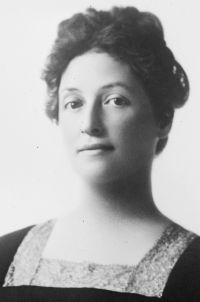
Josephine Preston Peabody

Josephine Preston Peabody

Summary

Portrait of Josephine Preston Peabody Josephine Preston Peabody Old Greek Folk Stories Told Anew

But as Venus disappeared, the reeds sang louder and the nymphs of the river, looking up sweetly, blew bubbles to the surface and murmured: "Nay, nay, have a care, Psyche. This flock has not the gentle ways of sheep. While the sun burns aloft, they are themselves as fierce as flame; but when the shadows are long, they go to rest and sleep, under the trees; and you may cross the river without fear and pick the golden fleece off the briers in the pasture."
Thanking the water-creatures, Psyche sat down to rest near them, and when the time came, she crossed in safety and followed their counsel.
Source: Gutenberg

Portrait of Josephine Preston Peabody Josephine Preston Peabody Old Greek Folk Stories Told Anew

Day after day he besought the lovely creature to have pity and to speak; but it mocked him with his own tears and smiles, and he forgot all else, until he changed into a flower that leans over to see its image in the pool.
There, too, was the sunflower Clytie, once a maiden who thought nothing so beautiful as the sun-god Phoebus Apollo. All the day long she used to look after him as he journeyed across the heavens in his golden chariot, until she came to be a fair rooted plant that ever turns its head to watch the sun.
Source: Gutenberg

Portrait of Josephine Preston Peabody Josephine Preston Peabody Old Greek Folk Stories Told Anew

If the sun had gone out, the people could not have been more dismayed. The king himself went, late in the day, to walk by the river Amphrysus, and wonder if his gracious keeper of the flocks had deserted him in a time of need. But at that very moment, whom should he see returning from the woods but the shepherd, glorious as sunset, and leading side by side a lion and a boar, as gentle as two sheep! The very next morning, with joy and gratitude, Admetus set out in his chariot for the kingdom of Pelias, and there he wooed and won Alcestis, the most loving wife that was ever heard of.
Source: Gutenberg

Get perspective with Kwize: daily news enlightened by great literature